


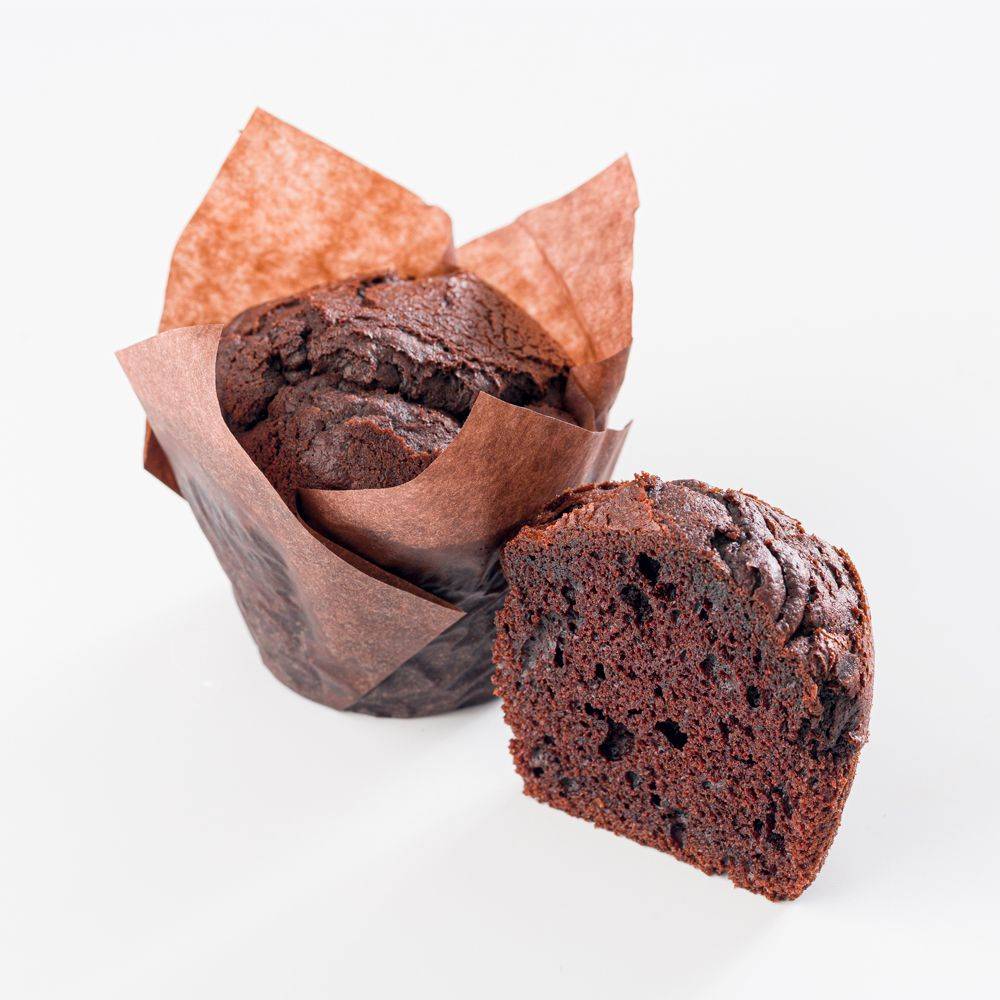
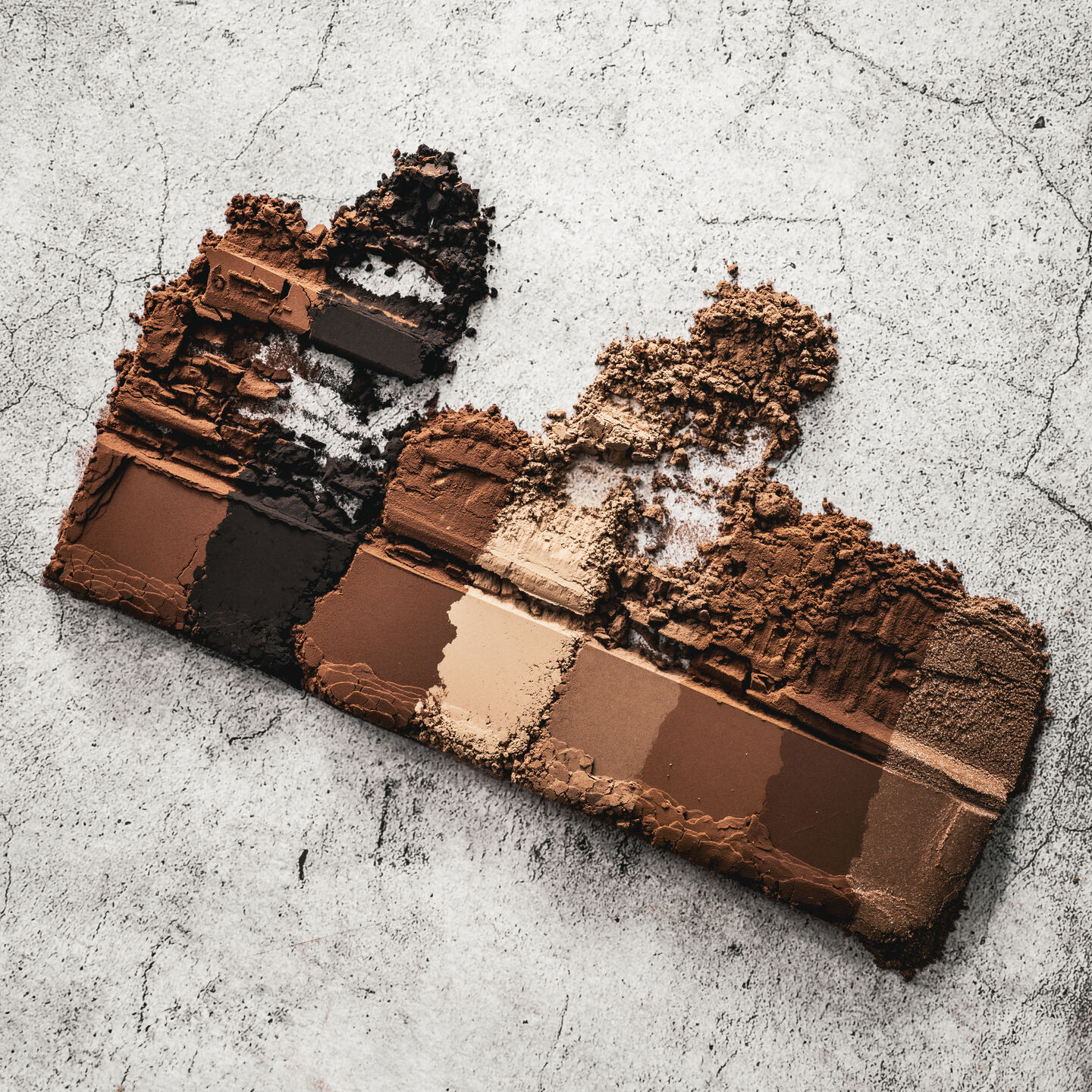
Showing 2 products
Filters Filters
Price Low To High
Price High to Low
Product Name A - Z
Product Name Z - A
Top Sellers
Sort By: Top Sellers Chevron Down


Applications

€ 15,72
VAT incl.
(€ 15,72/kg)
€ 15,96
VAT incl.
(€ 15,96/kg)
Compare Our Cocoa Powders

Both powders deliver exceptional performance and consistent results. Choose Extra Brute for deeper colour or Plein Arôme for a more rounded cocoa flavour.

Extra Brute Plein Arôme

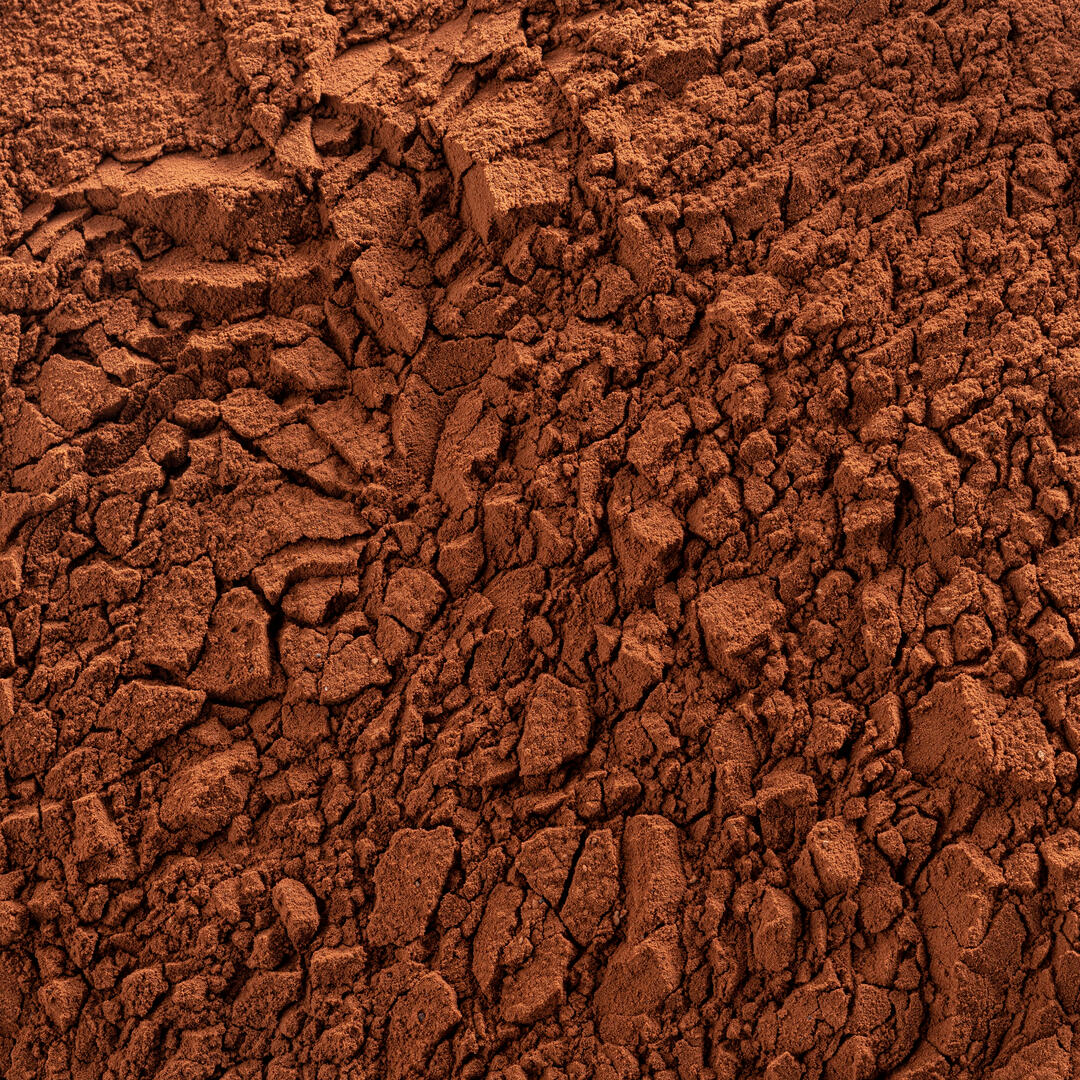
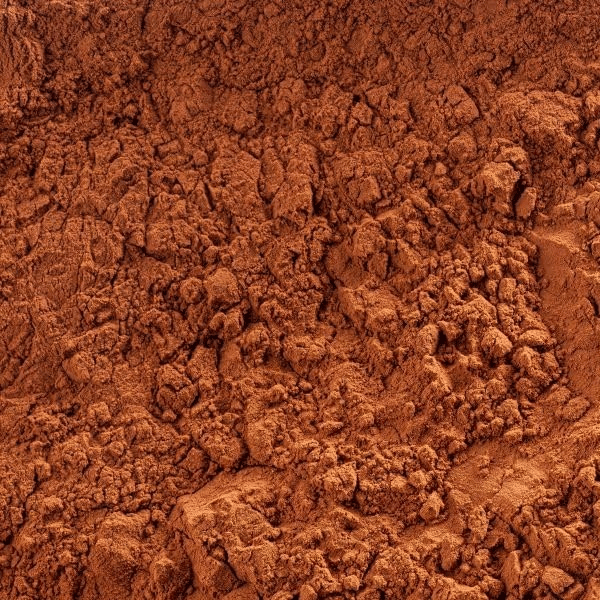
Deep reddish-brown colour

Light brown colour

Smooth cocoa with botanical undertones

Roasted cocoa with fruity notes

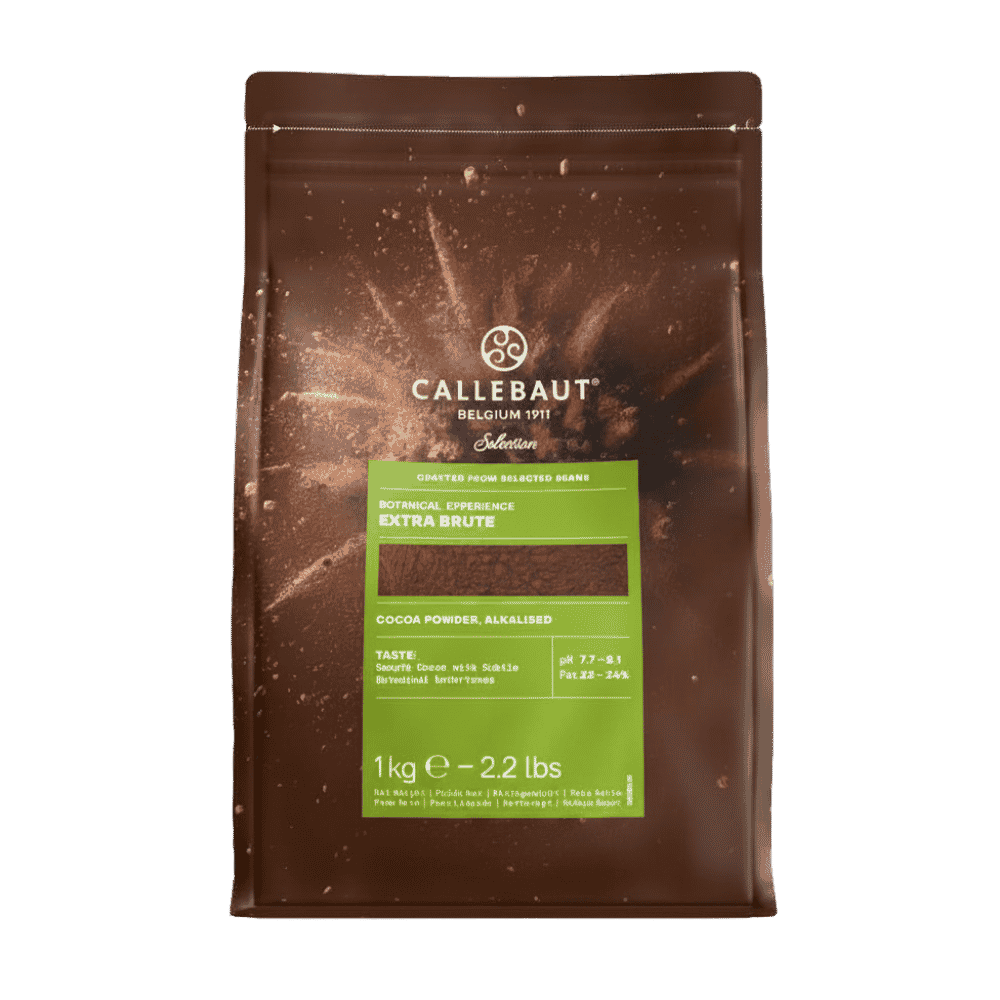
High alkalisation (pH 7.7–8.1)

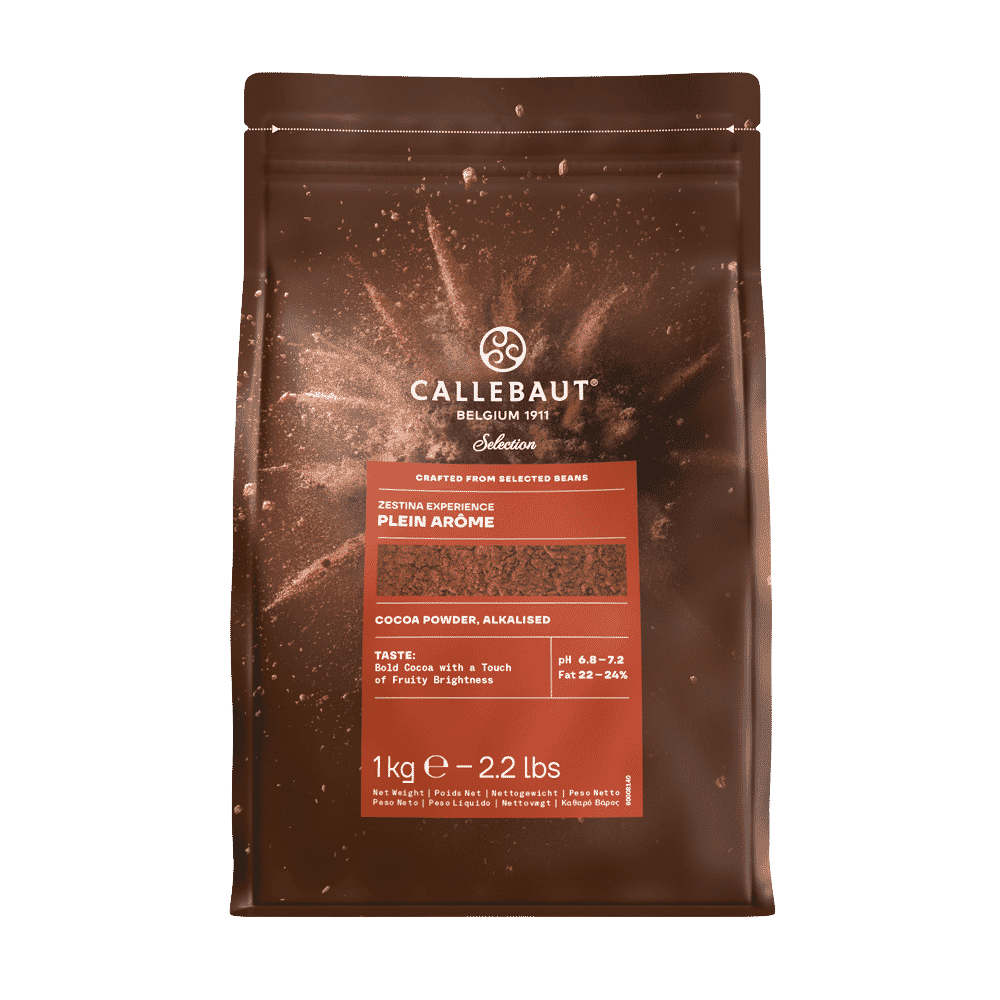
Medium alkalisation (pH 6.8–7.2)

Ideal for brownies, dark cakes and decorations

Ideal for cakes, pastries, muffins and beverages

Best choice when colour impact matters most

Best choice when flavour complexity matters most

Learn More About Each Cocoa Powder

Botanical Experience Extra Brute

Smooth cocoa with a deep reddish-brown colour and subtle botanical undertones

A highly alkalised cocoa powder delivering smooth, roasted cocoa flavour, consistent colour, easy dispersion and a balanced taste across bakery, pastry and beverage applications.

Zestina Experience Plein Arôme

Bold roasted cocoa with a light brown colour and fruity notes

A lightly alkalised cocoa powder with a rich roasted taste and subtle fruity notes. It delivers deep colour, smooth texture and consistent results across bakery, pastry, and confectionery applications.

Explore quick, clear answers to help you choose the right cocoa powder for your recipes, understand flavor differences, and get the best results in your bakery or kitchen.


1. What makes Callebaut cocoa powders different?

Callebaut cocoa powders are made from 100% pure cocoa beans, using precision roasting and controlled alkalisation for consistent flavour, colour, and performance. 

They are designed for professional kitchens, ensuring reliable results in baking, pastry, beverages, and desserts.


2. What is the difference between alkalised and natural cocoa powder?

Alkalised (Dutch) cocoa powder: Treated with an alkaline solution to reduce acidity, resulting in a darker colour, milder taste, and better solubility

Natural cocoa powder: Untreated, with a lighter colour and more intense, slightly acidic cocoa flavour.


3. How does cocoa powder pH affect it's properties?

Colour depends mainly on alkalinity levels:

Natural:

  • Low pH, its acidity reacts with baking soda, provides more elastic dough, better expansion and lighter crumb for lighter, airier cakes.
  • Lower water absorption.
  • Light brown, reddish colours.
  • Brighter, sharper, slightly acidic flavour. Classic chocolate notes.

Alkalised (Dutch):

  • High/Higher pH, little to no reaction with baking soda, provides less flexible dough denser, reduced air retention for denser, fudgier texture. Bigger water absorption.
  • Dark brown, almost black colours.
  • Smoother, less acidic flavour. Rich, mellow, sometimes slightly bitter.

4. What does “fat content” mean?

The fat content refers to the amount of cocoa butter remaining in the powder.

Low fat (10-12%) - lighter texture, stronger cocoa solids flavour

High fat (22-24%) - richer mouthfeel, smoother and creamier results


5. Can I substitute one cocoa powder for another?

Using the wrong cocoa may break a recipe.

Too much alkalinity (Dutch cocoa + baking soda) may result in poor rise, odd color and off flavors.

Too much acidity (without soda) may result in dense or under-leavened product.

However you can substitute one cocoa powder for another, but it’s not always a 1:1 swap without adjustments.

You can use it as a 1:1 substitute for the recipe that doesn’t rely heavily on chemical leavening (e.g., brownies, sauces, frostings).

If your recipe involves baking soda or baking powder, substitutions matter more.


6. What applications are Callebaut cocoa powders best for?

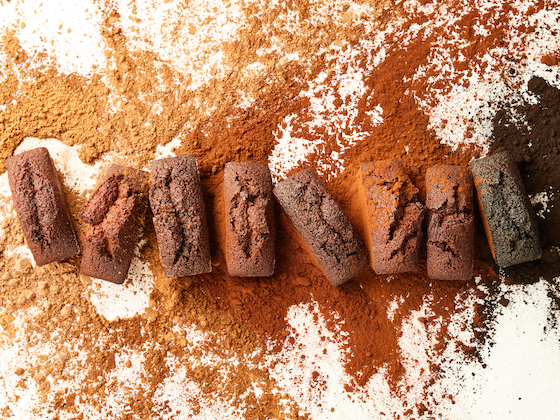
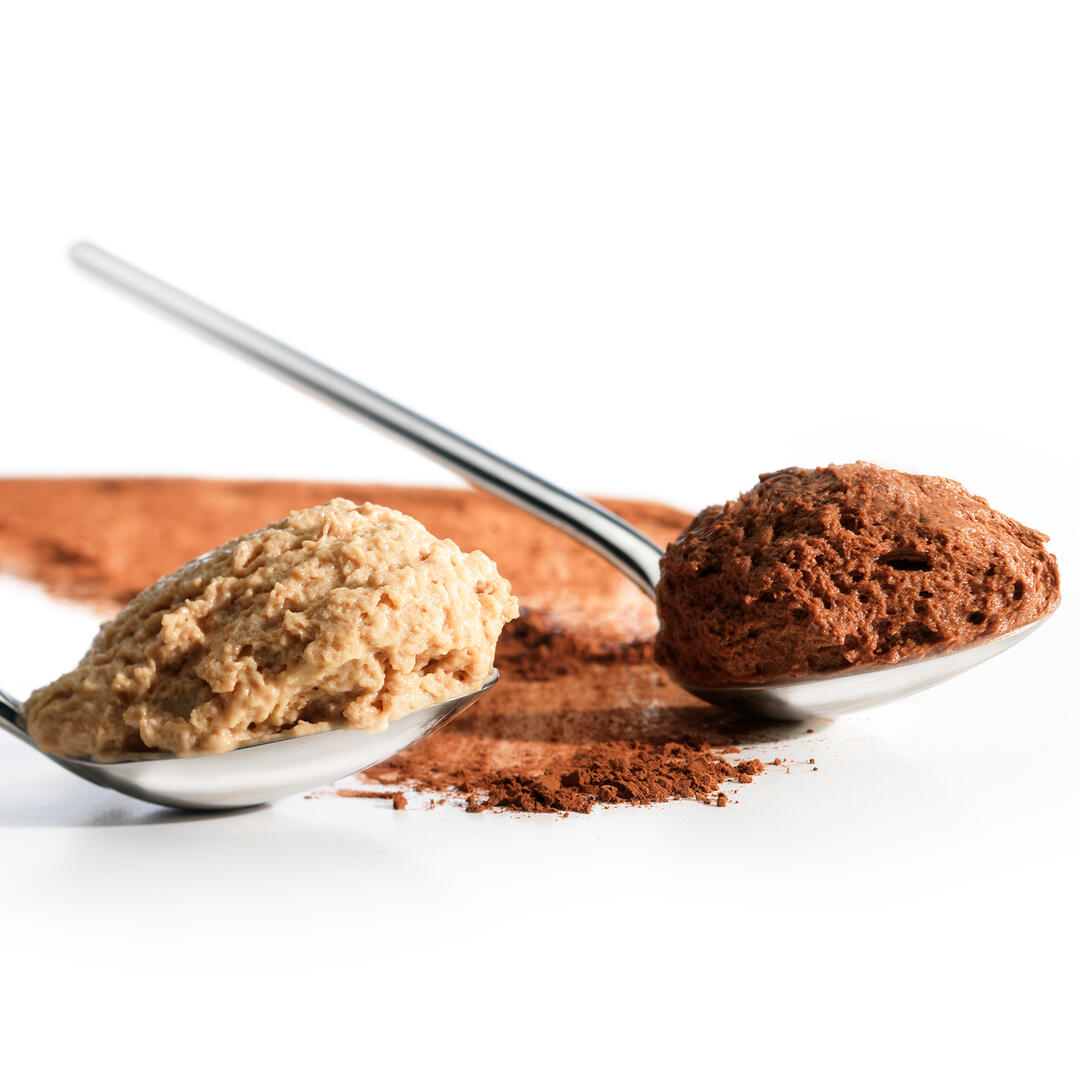
They are extremely versatile and ideal for: cakes, brownies, sponges, cookies, ice cream, gelato, mousse, crémeux, hot chocolate and beverages, dusting and decoration


7. Why is solubility important in cocoa powder?

High-quality cocoa powders (especially alkalised) offer excellent dispersibility, meaning they blend easily into liquids without clumps - perfect for beverages, ganaches, and batters.


8. How does cocoa powder affect texture in recipes?

Cocoa powder absorbs a lot of moisture - up to 100% of its weight, which directly impacts texture.

More cocoa - denser, drier product

Higher alkalinity - more water absorption


9. How should cocoa powder be stored to maintain quality?

For best performance:

  • Store in a cool, dry place (12-20°C)
  • Keep away from moisture and strong odours
  • Reseal packaging tightly after use

10. Are Callebaut cocoa powders sustainably sourced?

Callebaut Cocoa Powders are part of sustainable cocoa programs that focus on responsible sourcing and farmer support. Increasingly important for conscious consumers and brands.