For Moulding
Look for highly fluid couvertures like: Silky Experience Ghana 40% or Velvet Experience Ecuador 39%.

The perfect chocolate couverture does more than add flavour - it influences texture, appearance, workability, and the overall quality of your finished creation. To find the best match, consider two essential factors: application and fluidity.
Different couvertures are formulated for different uses, whether you're enrobing pralines, creating smooth ganaches, baking pastries or decorating desserts.
Fluidity refers to how easily the chocolate flows when melted. This characteristic plays a crucial role in achieving the desired finish and texture.
By using filter options on our website you can narrow down the list by "Application" and "Fluidity level".
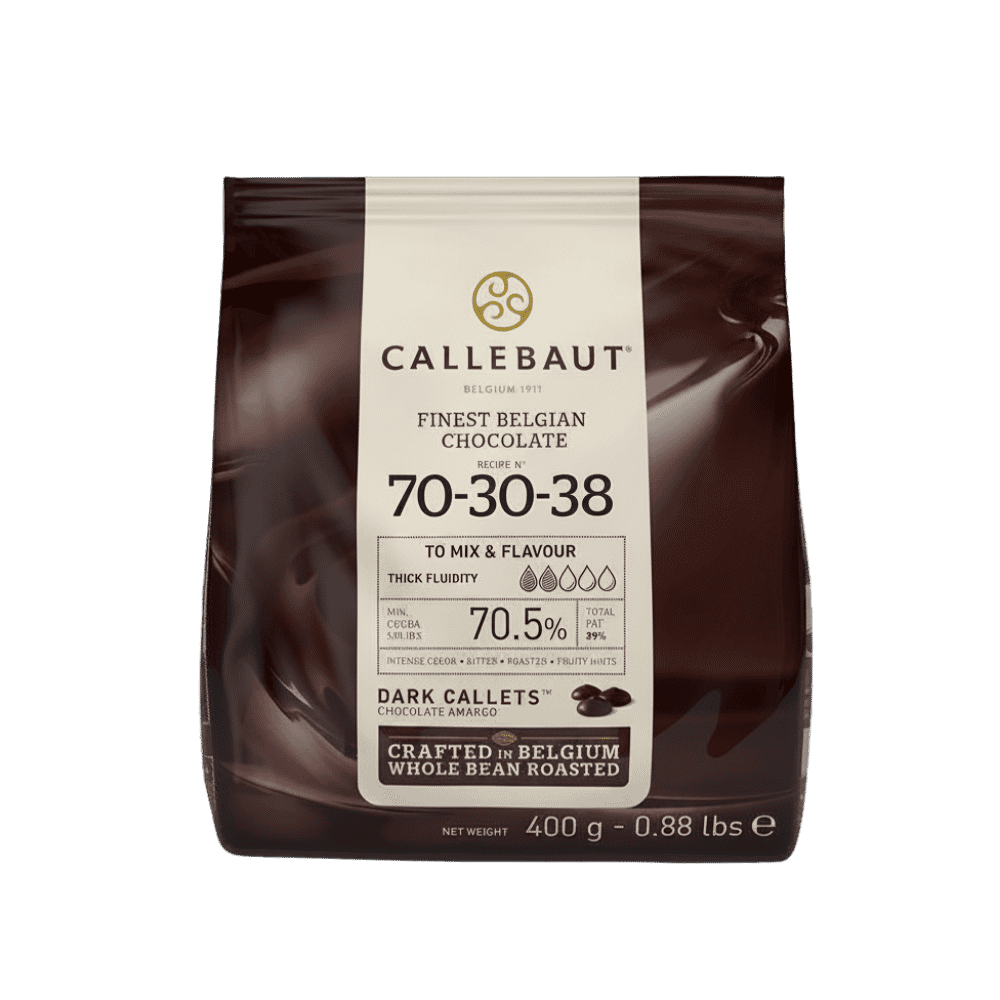
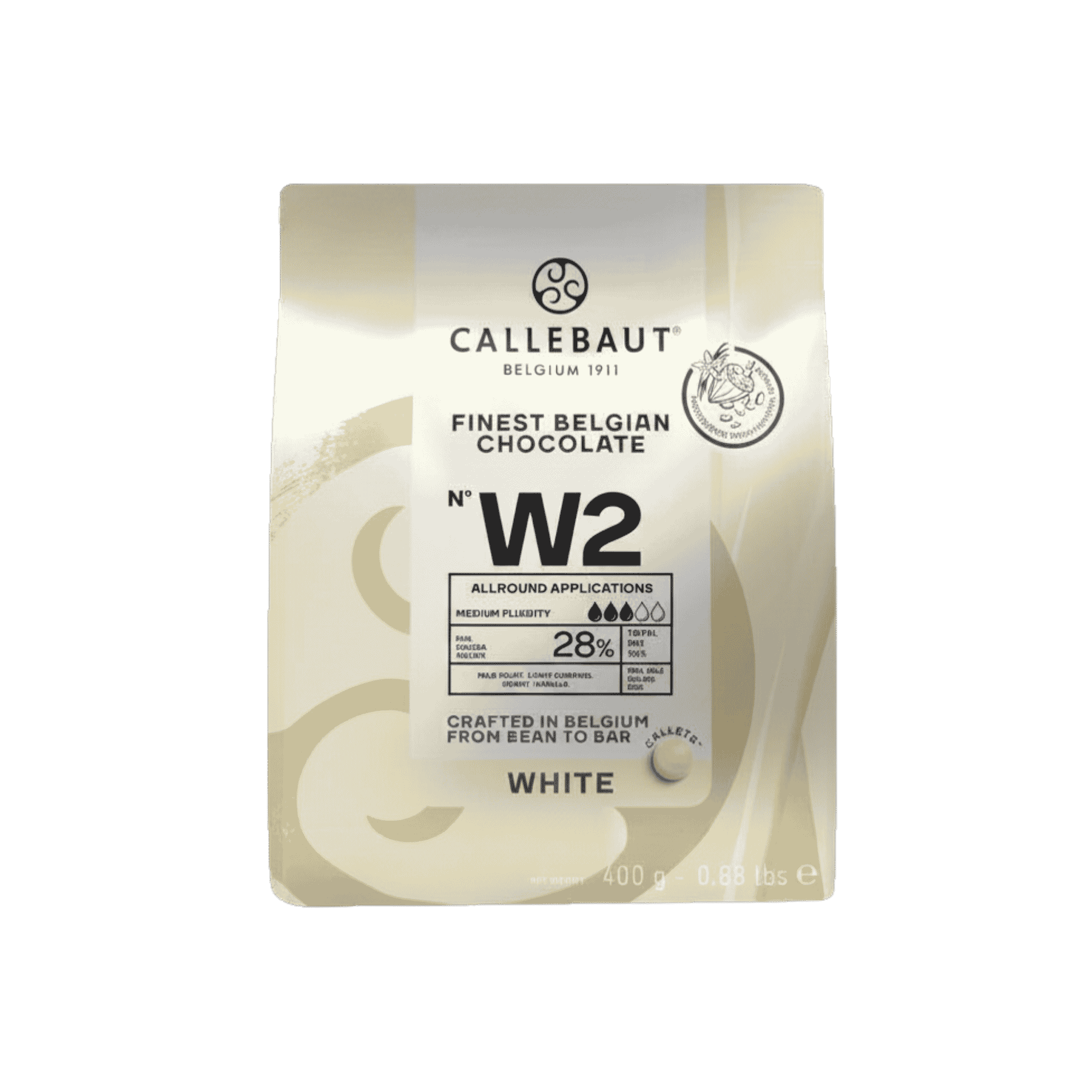
Fluidity determines how chocolate flows when melted.
Callebaut uses drop markings to indicate the fluidity level of couverture. It ranges on a scale from 1 drop (Lowest Fluidity) to 5 drops (Highest Fluitity)
Most of our Callebaut couvertures feature a fluidity rating of 3 to 4 drops out of 5, making them exceptionally versatile and suitable for a wide range of applications.
More about fluidity in FAQ section below.
Selecting the right couverture helps achieve the best flavour, texture, and performance.
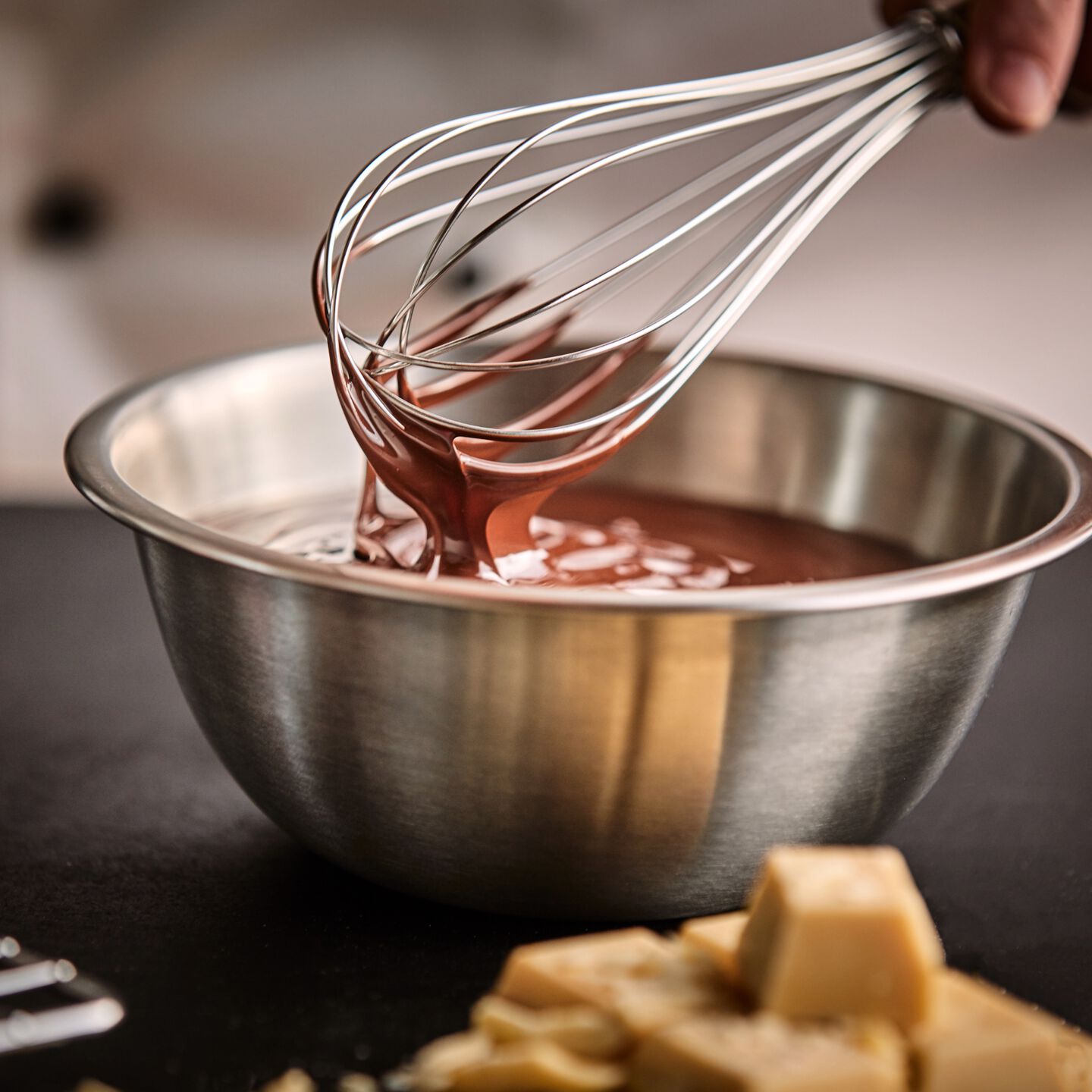
Look for highly fluid couvertures like: Silky Experience Ghana 40% or Velvet Experience Ecuador 39%.
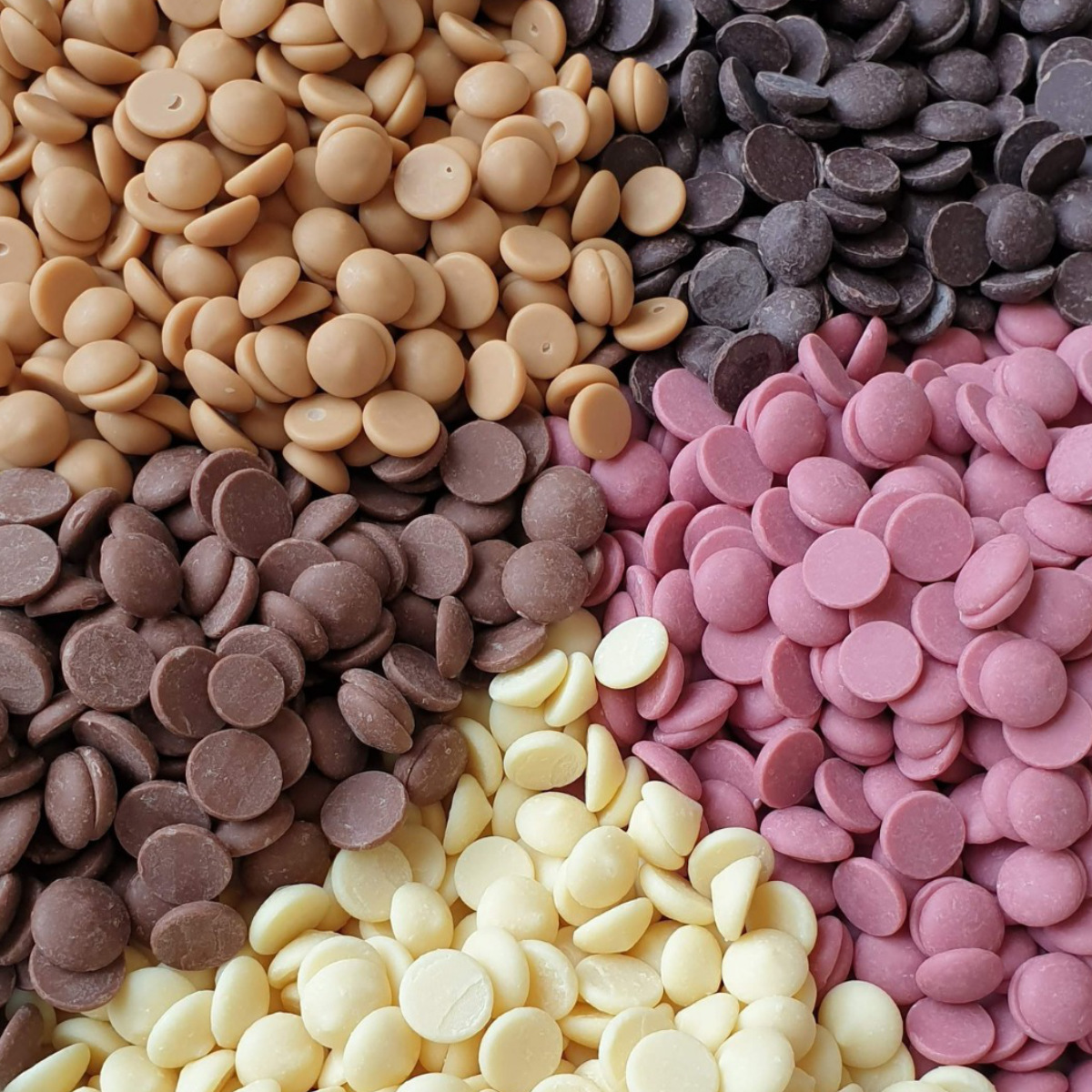
Select products based on what you desire to achieve - flavour intensity, creaminess and texture or balance.

You should prioritize chocolate's taste profile and its cocoa intensity. Good choice would be Zestina Experience Tanzania 75%.
Couverture chocolate is premium chocolate with a higher cocoa butter content, giving it a smoother texture, richer flavor, and excellent melting performance. It is the preferred choice for molding, coating, and creating high-quality chocolate products.
One of Callebaut's key professional advantages is its fluidity system, which helps chefs select the perfect chocolate for specific applications.
Very Low Fluidity (1 drop) - more chocolate taste and less flow. Perfect for: Brownies, Muffins, Chocolate cakes, Ganache fillings, Ice cream flavoring.
Product Example: Baking Drops
Low Fluidity (2 drops) - creates thicker coatings, thicker texture. Perfect for: Dipped cookies, Thicker molded products, Bakery coatings, Filled chocolates with stronger shells.
Product Example: 70-30-38, Botanical Experience Venezuela 72%
Medium Fluidity (3 drops) -The most versatile option. Balanced viscosity for versatile use. Perfect for: General pastry work, Molds, Ganache, Chocolate decorations.
Product Example: Dark Chocolate Recipe 811, Milk Chocolate Recipe 823, White Chocolate Recipe W2
High Fluidity (4 drops) - flows easily and creates thinner chocolate layers. Perfect for: Enrobing pralines, Thin chocolate shells, Chocolate fountain applications, Fine decoration work.
Product Example: Zestina Experience Madagascar 67%, Velvet Experience Ecuador 39%, Zestina Experience Tanzania 75%
Very High Fluidity (5 drops) - maximum flow and precision. Perfect for: Enrobing pralines, Thin chocolate shells, Chocolate fountain applications, Fine decoration work.
For Moulding look for highly fluid couvertures like: Silky Experience Ghana 40% or Velvet Experience Ecuador 39%.
For Ganache select products based on what you desire to achieve - flavour intensity, creaminess and texture or balance.
Popular Choices: Dark Chocolate Recipe 811 for balance, Milk Chocolate Recipe 823 for creaminess, White Chocolate Recipe W2 for flavoured ganaches.
30-40% cocoa - they are smooth, creamy, and sweeter. Ideal for those who enjoy a mild chocolate flavor and a softer texture.
50-60% cocoa - they provide a well-balanced sweetness and cocoa intensity. A versatile choice for baking, and desserts.
70% cocoa - characterised by rich, intense chocolate flavor with less sweetness. Perfect for dark chocolate lovers and premium recipes.
80%+ cocoa - bold, complex, and less sweet. Best for experienced dark chocolate enthusiasts who appreciate strong cocoa notes.
Dark Couverture
Contains cocoa mass, cocoa butter, and sugar.
Offers a rich, intense chocolate flavor with varying levels of sweetness depending on the cocoa percentage.
Milk Couverture
Contains cocoa mass, cocoa butter, sugar, and milk ingredients.
Provides a creamy texture and a balanced, sweeter chocolate taste.
White Couverture
Contains cocoa butter, sugar, and milk ingredients, but no cocoa mass.
Features a smooth, creamy texture with sweet vanilla and dairy notes.
Ship To A Different Country/Region
You are currently browsing our Germany Webshop.
If you had like to ship to a different country/region, please select it below.
Ship To A Different Country/Region
Looks like you are based within .
Ordering and deliveries from this webshop is not yet available there . Please checkout our international site for more information on where to buy callebaut.com